When metered AI stops beingcheap for a firm
Seat licences look small until adoption works. Here is how to tell when renting AI costs more than owning it, without a theatre of transformation.
 Safouane Regaieg
20 AUGUST 2026 · 4 MIN READ
Most firms meet AI as a subscription. A few seats. A card on file. A line item that feels smaller than the risk conversation it replaces.
That is fine for a pilot. It stops being fine when the tool starts doing real work.
The curve nobody puts on the slide
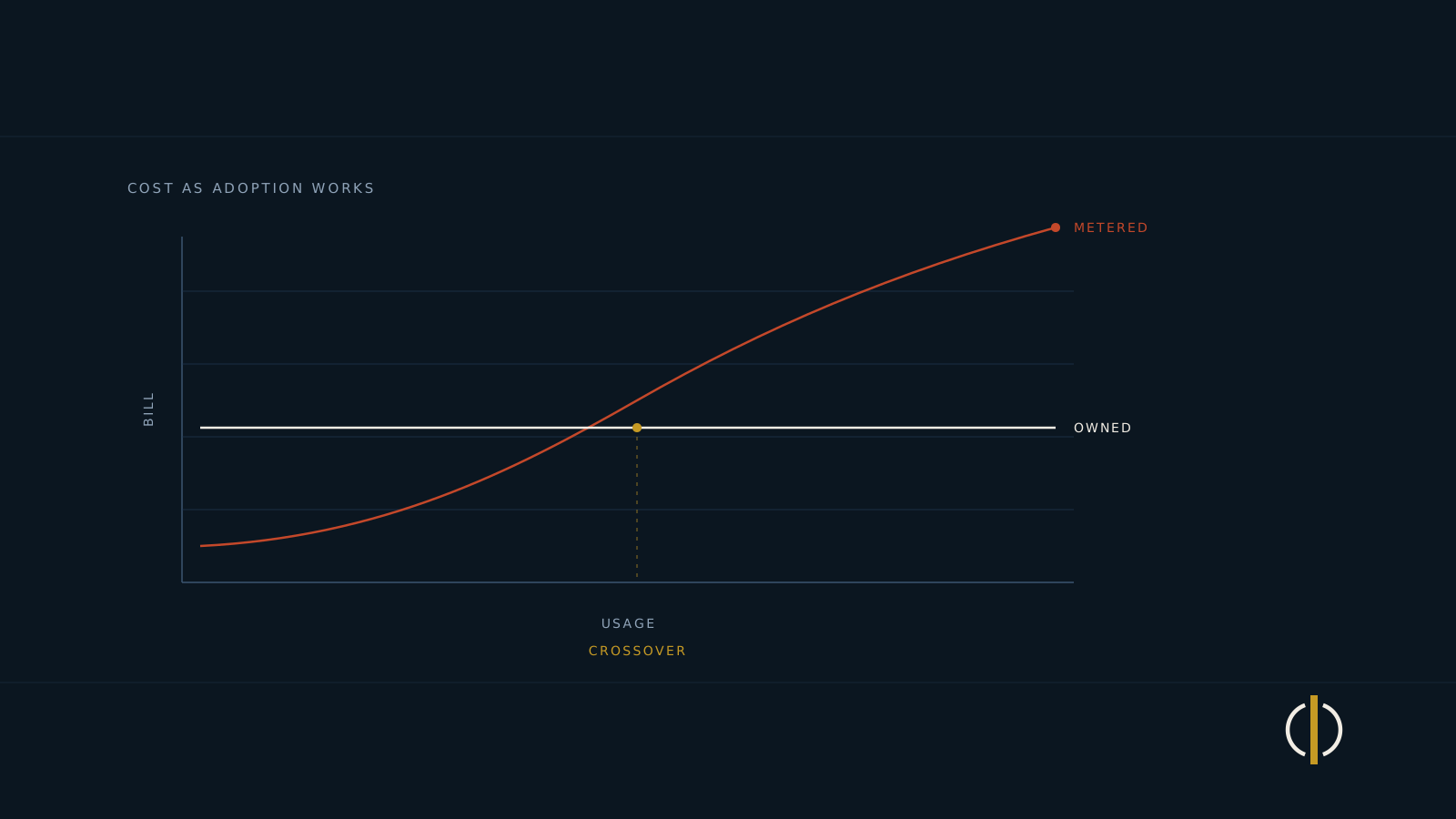
Metered AI has a pleasant property at the start: you pay for what you use. It has an unpleasant property later: success makes the bill worse.
When a partner discovers that drafting, summarising, or reviewing runs faster with a model in the loop, the rest of the floor follows. Usage climbs. The vendor is not wrong to charge for that. You are not wrong to notice that the price of “working well” is a line that only goes up.
Owned systems invert the curve. You pay for the machine, the software that runs it, and the people who keep it honest. After that, a heavy month and a light month cost the same. Adoption is no longer a budget event.

Neither model is automatically correct. Light, occasional use genuinely favours renting. The mistake is signing a rental as if it will stay light.
What “cheap” usually hides
Three costs sit outside the seat price and still show up in the business.
Rationing. When every prompt has a price, people quietly save the tool for “important” work. The junior who most needs help is often the one least willing to burn the budget. You have bought capability and then trained your team not to use it.
Shadow spend. Personal accounts, personal cards, and “just this once” uploads do not appear on the firm AI invoice. They appear later as a confidentiality problem. We wrote about that path in Where your firm's data actually goes.
Switching cost. Eighteen months in, your workflows assume a vendor’s interface, retention rules, and rate limits. Leaving is no longer a procurement choice. It is a migration project. Price that honestly before you need it.
A simple ownership test
You do not need a full model of the market. You need four numbers you already have, or can get in a week:
- Last month’s AI-related spend (seats, top-ups, and known personal reimbursements)
- Headcount that would use a sanctioned tool if one existed
- Whether client or regulated material ever enters those tools today
- What you would need to show a client or insurer about where prompts sit
If spend is rising with adoption, material is sensitive, and you cannot evidence where it went, the rental is doing two jobs at once: it is a productivity tool and an unmeasured liability. The second job is the expensive one.
If spend is flat, use is light, and nothing confidential leaves the building, keep renting. Ownership is not a virtue. It is a fit.
How we compare the two without theatre
We put your usage next to the cost of a system that runs on hardware you control — your building, or a private enclosure we operate for you. The ROI calculator is the open version of that conversation. A working session is the version with your real invoices on the table.
We will tell you if you should wait. Firms that should wait are usually early, thin on volume, or solving a process problem that no model will fix.
The question worth asking finance this month
Not “is AI expensive.” Relative to what.
Ask: if usage doubled because the tool finally worked the way we hoped, would we celebrate — or open a budget review?
If the honest answer is a budget review, you are already on the wrong curve. Ownership is what makes success cheap again.
Comments
A short note. No account required.
Loading
If this was useful.
Short notes on private AI, data risk, hardware, and cost — when they are ready. No deck, no pitch, no follow-up sequence.